When we refer to the HVAC system in a building, we usually think about air conditioning systems, chillers, and ventilation equipment. Nonetheless, the overall functioning of an HVAC system is determined by the smaller components that govern airflow and maintain its proper functioning.
Duct accessories are usually hidden, but they serve a critical function for maintaining the proper distribution of air. From dampers to access doors to flexible connectors and other products, the quality of duct accessories may affect the efficiency of the overall HVAC system.
For contractors, consultants, and project developers, choosing a dependable air distribution products manufacturer in the UAE is an important consideration when planning HVAC systems for commercial, residential, and industrial buildings. Tecnalco, an HVAC manufacturer in the UAE, offers HVAC air distribution products in the UAE for projects seeking quality solutions from trusted HVAC manufacturers in the UAE.
What Are HVAC Duct Accessories?
While discussing duct work and HVAC air distribution products in the UAE, it is important to understand the definition of each. HVAC duct accessories are parts used together with the duct system to ensure the installation, performance, inspection, and repair of the air distribution system. Even though ducts are the main means of distributing conditioned and ventilated air, accessories mostly serve the purposes of controlling air flow, connecting different parts of the duct, ensuring the access for maintenance, and adhering to the necessary installation standards.
Depending on the system design, duct accessories may include:
- Volume control dampers: Help regulate airflow through duct sections.
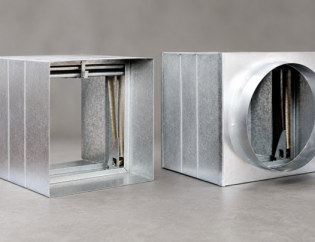
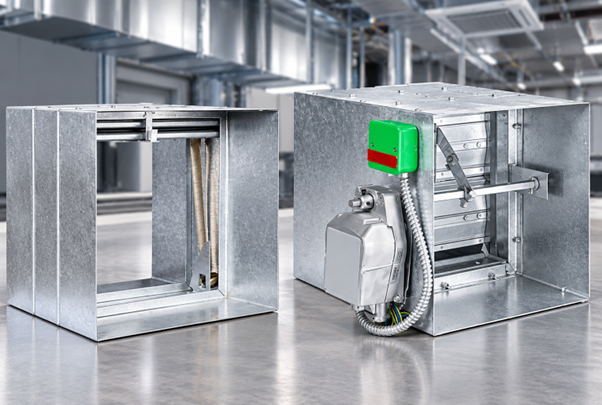
- Fire and smoke dampers: Designed to help control the passage of fire or smoke through ductwork when specified and installed in accordance with applicable requirements.
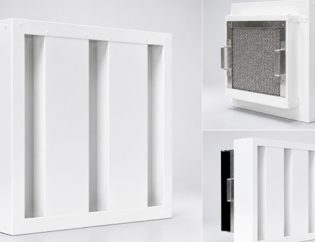
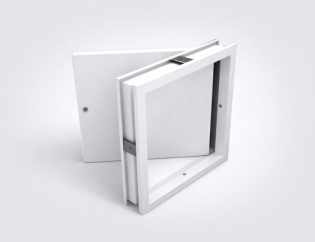
- Duct access doors: Provide access for inspection, cleaning, and maintenance.
- Flexible connectors: Help accommodate movement and reduce the transmission of vibration between connected equipment and ductwork.
- Duct flanges and connection accessories: Support the joining and installation of duct sections.
- Other installation components: Help meet the functional and practical requirements of individual HVAC projects.
The exact accessories required depend on the building layout, system design, applicable standards, and project specifications.
Why Quality Duct Accessories Matter
Choosing HVAC components simply based on their initial price may neglect long-term influence. Properly chosen and applied duct accessories are crucial for reliable installation and compliance with the operational criteria of the HVAC system.
- Supporting Effective Air Distribution
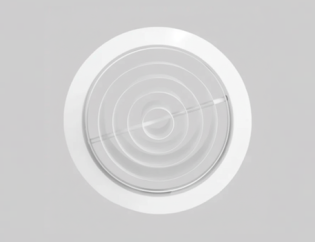
Good HVAC air distribution products in the UAE must provide the required amount of air to each room. Failure to control the amount of air supplied lowers the efficiency of the air distribution system. In this respect, volume control dampers and the other flow regulation equipment are used to balance the air distribution system as per design.
Quality devices chosen and installed correctly promote successful operation, but their effectiveness depends on duct design, commissioning, and performance of the whole HVAC system.
- Helping Reduce Unnecessary Air Leakage
Incorrectly fitted or inappropriate ventilation fittings can lead to leaks. Depending on where a leak occurs and how serious it is, unwanted airflow may be produced, causing the energy needed to maintain interior conditions to increase.
The use of appropriate fittings in ventilations, accessory selection, and proper installation of the system will preserve its integrity. When going for energy-efficient projects, the contractors should check if the selected accessory matches the duct design and leakage requirements.
- Supporting Fire and Smoke Safety
Fire and smoke control have to be taken into account in the ventilation design of the building. Wherever necessary, fire dampers and smoke control mechanisms perform their functions in the overall protection strategy from fires. The products have to comply with the applicable requirements, be tested and certified if necessary, and be installed in the right places.
Installation details and the position of access for inspection and maintenance of the products matter. It is required to make sure that all approvals and documents are in place and that each damper and accessory is suitable for usage.
- Making Inspection and Maintenance Easier
Regular inspection and maintenance of HVAC systems are essential to ensuring their effectiveness. The internal duct components may become difficult to access if proper access measures have not been put in place.
Access doors enable access to portions of the duct system that must be inspected or have other components that need to be accessed, so the correct planning of access points during the planning and installation phase can simplify future maintenance work.
- Managing Vibration and Equipment Movement
Fans and other mechanical devices produce vibrations when they are in use. Flexible fittings are designed to reduce vibration transfer when the equipment is being used. When making the choice of what fittings to use, many factors should be considered, including type of equipment, operating conditions, pressure levels, and installation issue.
Choosing HVAC Air Distribution Products in UAE Projects
The UAE's construction sector includes a wide range of buildings, from offices and retail developments to residential towers, hospitals, hotels, and industrial facilities. Each project can have different requirements for airflow, safety, accessibility, durability, and maintenance.
When evaluating HVAC air distribution products in the UAE, project teams should consider more than the product category alone.
Product Suitability and Technical Specifications
Every auxiliary item must correspond to the performance specifications of the system. The relevant factors include size, airflow, pressure, material, and installation conditions. Consultants must verify the specifications of the products and documents before placing the order.
Material Quality and Construction
The materials and construction methods used in duct accessories can influence their suitability for particular environments and applications. While choosing the products, one must take into account factors like corrosion, temperature, load, and installation conditions.
Appropriate materials and finishes can help support service life when matched to the intended environment.
Compliance and Documentation
HVAC projects may require products to meet specific technical standards, fire safety requirements, testing criteria, or approval procedures.
Before selecting an accessory, verify the documentation required for the project. Depending on the application, this may include technical data sheets, test reports, installation instructions, and relevant product approvals.
Consistency Across the Project
Large projects often require multiple accessory types in different sizes and configurations. Consistency in product specifications and supply can help contractors coordinate installation and reduce the risk of compatibility issues.
Working with an established supplier or manufacturer that understands project requirements can make procurement and technical coordination more straightforward.
What to Look for in HVAC Manufacturers in UAE
Choosing between HVAC manufacturers in the UAE requires an assessment of product capability, technical support, quality processes, and suitability for the project.
The following factors can help procurement teams make an informed decision.
A relevant product range: Check whether the manufacturer supplies the duct accessories and air distribution components required for the project.
Technical specifications: Review product dimensions, material details, operating limits, and installation requirements.
Quality assurance: Ask about manufacturing quality controls, inspection procedures, and the documentation available for supplied products.
Project coordination: Consider whether the manufacturer can work with contractors, consultants, and procurement teams to clarify specifications and product requirements.
Supply planning: Confirm lead times, availability, and the manufacturer's ability to meet the project's delivery schedule.
Technical communication: Clear product information helps reduce misunderstandings during specification, procurement, and installation.
A manufacturer's suitability should ultimately be assessed against the actual project requirements, not simply its location or product catalogue.
Common Mistakes to Avoid When Selecting Duct Accessories
Even a well-designed HVAC system can face installation or performance challenges when accessories are selected without sufficient attention to detail.
Focusing Only on Purchase Price
The lowest-priced product may not always be the most suitable option. Incorrect specifications, poor compatibility, or insufficient documentation can create additional costs during installation or operation.
A better approach is to compare products based on technical suitability, quality, compliance, and overall project value.
Overlooking Installation Requirements
An accessory must be installed according to its intended application. Incorrect positioning, unsuitable connections, or inadequate access provisions can affect its performance.
Contractors should follow manufacturer instructions and approved project drawings.
Ignoring Future Maintenance
Some components require inspection, adjustment, or maintenance access. If these requirements are overlooked during installation planning, future servicing may become unnecessarily complicated.
Considering accessibility from the beginning can help support more practical building maintenance.
Failing to Verify Product Approvals
Not all accessories are interchangeable, particularly where fire safety or other regulated building requirements apply. Product documentation should be checked against the relevant project specifications and local requirements.
Tecnalco: Supporting Better HVAC Product Selection
Selection of appropriate duct accessories plays a key role in the successful implementation of HVAC. When evaluating Tecnalco products, it is important to study the product portfolio, technical specifications, quality certifications, and possible applications of the company’s products. Establishing the availability of goods, approvals, and delivery arrangements will help make project coordination easier.
By paying as much attention to duct accessories as to big HVAC equipment, builders will be able to make informed decisions on airflow control, among other important issues.
Take Away
Accessories are small parts of an HVAC system, but their significance is immense. They provide means of controlling airflow, linking duct networks, providing access to maintenance works, controlling vibration, etc. For any construction project in the UAE, it is necessary to examine different aspects of HVAC components in order to choose the right solution, including technical features, quality of the materials, availability of documents, installation, and delivery.
Working with a suitable air distribution products manufacturer in the UAE can help project teams source components that align with their design and performance requirements. By prioritizing quality and compatibility from the beginning, contractors and developers can support more reliable HVAC installations and avoid preventable issues during operation.
Frequently Asked Questions
- What are duct accessories in HVAC systems?
Duct accessories are components used with HVAC ductwork to support airflow regulation, connection, inspection, maintenance, and other system requirements. Examples include dampers, access doors, flexible connectors, and duct connection accessories.
- Why are quality duct accessories important?
Quality accessories that are correctly specified and installed can support reliable airflow control, secure duct connections, easier maintenance, and the intended operation of an HVAC system.
- What should I consider when choosing HVAC air distribution products in the UAE?
Consider technical specifications, material suitability, applicable approvals, installation requirements, product documentation, availability, and compatibility with the project design.
- How do dampers help an HVAC system?
Volume control dampers help regulate airflow through duct sections. Fire and smoke dampers serve different safety functions where specified by the building design and applicable requirements.
- How do duct accessories affect HVAC maintenance?
Components such as access doors help technicians reach designated duct sections and internal components for inspection or maintenance. Suitable access planning can make future servicing more practical.
- How do I choose between HVAC manufacturers in the UAE?
Compare the manufacturer's relevant product range, technical documentation, quality controls, supply capabilities, product approvals, and ability to meet your project specifications.
- Can quality duct accessories improve energy efficiency?
Appropriately selected and installed accessories can support airflow control and help reduce problems such as unnecessary duct leakage. Overall energy performance also depends on equipment efficiency, duct design, insulation, controls, commissioning, and maintenance.